TLDR: The Quick Fix on Bleach Spots
Accidentally spilled bleach on your high-end carpet? Don't panic and definitely don't reach for the Sharpie. Bleach doesn't "stain" carpet; it removes the colour entirely. To fix it, you must neutralise the chemical residue first, or any new dye will just disappear. While DIY kits exist, matching multi-tone flecks and identifying fibre types (nylon vs wool) is where things get tricky. Professional carpet dyeing is the sustainable, cost-effective alternative to replacing the whole room.
The Reddit Rabbit Hole of Bleach Blunders
If you’ve ever scrolled through Reddit late at night after a cleaning accident, you’ve seen the desperation. "I spilled toilet cleaner on my beige rug, help!" "Can I use hair dye to fix a bleach spot?" "Will my landlord take my whole deposit?"
At BD365 Carpet Colour Solutions, we see these questions every day. The internet is full of "hacks" that range from mildly useless to "congratulations, you’ve just melted your carpet." Today, we’re pulling back the curtain on the secrets the pros use for bleach spot repair and why your DIY attempt might be doomed before it starts.
1. The Science of the "Stain" (That Isn't a Stain)
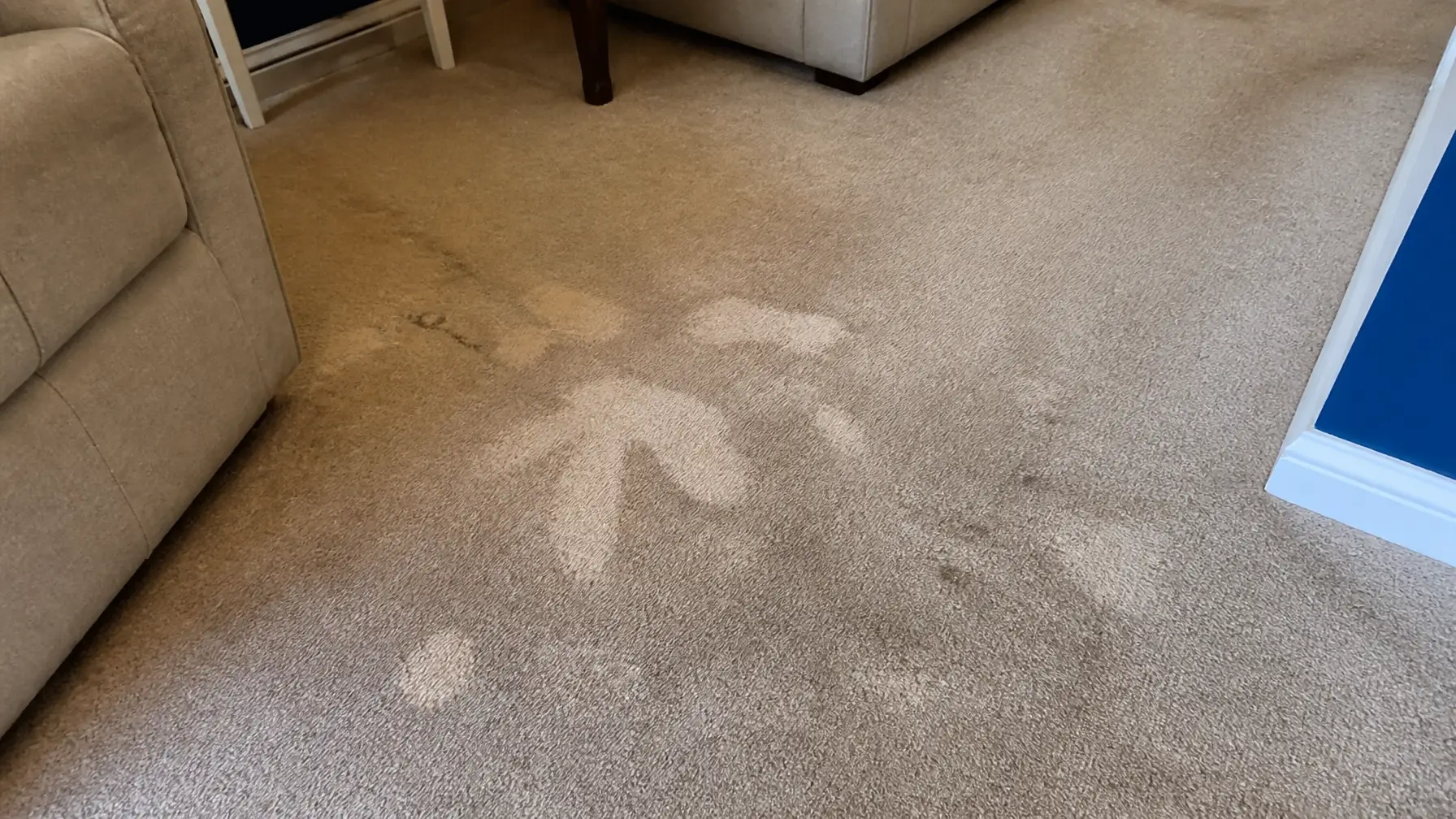
First things first: a bleach spot is not a stain. A stain is something added to the carpet (like red wine). Bleach is something taken away. It’s a chemical reaction that strips the pigment from the carpet fibres.

Neutralisation: The Step Everyone Skips
One of the biggest questions we see is: "Is it safe to walk on a carpet with active bleach?" (Reddit Topic 14). The answer is a hard no. Bleach stays active in the carpet fibres for a long time. If you try to dye over it without neutralising it first, the bleach will simply "eat" the new colour.
The Pro Secret: We don’t just use a "baking soda paste" (Topic 16). While household alkaline products can help, pros use specific chemical neutralisers that stop the oxidative process instantly. If you’re DIY-ing, vinegar or peroxide can actually cause dangerous fumes or further damage (Topic 17).
How do you know it’s safe? (Topic 18). Professionals use pH testing strips. If the pH isn't balanced, the dye won't stick. Simple as that.
2. The Great DIY Dye Disaster
We get it. A £15 bottle of RIT dye or a set of fabric markers looks tempting compared to a professional service. But here is why the pros avoid them (Topics 19-23):
- The RIT Problem: Most DIY dyes are "union dyes" designed for cotton or wool. Most modern carpets are nylon or polyester. These dyes don't bond correctly, leading to "bleeding" the next time you clean your carpet (Topic 28).
- The Sharpie Sin: Using a permanent marker is fine if you want a purple-ish smudge that looks terrible under LED lights. Markers don't have the depth or transparency of real carpet dyes.
- Hair Dye? Please, just don't. Unless you want your carpet to have "Sun-Kissed Highlights" that feel like crunchy straw.

3. Fibre Forensics: Why Your Carpet Type Matters
Not all carpets are created equal. Identifying whether you have nylon, polyester, or wool (Topic 26) is the difference between a successful repair and a permanent eyesore.
- Nylon: The gold standard for restoration. It takes dye beautifully.
- Wool: Requires specific acidic dyes and lower temperatures to prevent shrinking.
- Polyester/Polypropylene: These are "solution-dyed," meaning the colour is part of the plastic itself. They are notoriously difficult to dye post-manufacture, and often, a professional patch is the only way to go.
The Multi-Tone Nightmare: (Topic 24). If your carpet has flecks of brown, cream, and grey, a single-colour dye will look like a sore thumb. Pros use a "dotting" technique with multiple dye shades to mimic the original factory pattern.
4. The Rental Dilemma: Repair or Replace?
If you're in a rental apartment (Topic 30), you might be tempted to hide the spot under a rug and hope for the best. But when that rug moves during the final inspection, you could be looking at a £2,000 bill for a full room replacement.
Carpet restoration usually costs a fraction of a replacement (Topic 31). Plus, a professional repair is virtually invisible to home inspectors and landlords (Topic 35). It’s the sustainable choice: why send 50 square metres of carpet to a landfill for one 5cm bleach spot?

5. When to Call the Big Guns (BD365)
How big is "too big" for DIY? (Topic 29). If the spot is larger than a 50p piece, or if it's in a high-traffic "prestige" area like your lounge or hallway, call us.
What about patching? (Topics 32-34). Sometimes, if the bleach has actually eaten the carpet fibres (making them brittle and "bald"), dyeing won't work. In these cases, we perform a surgical patch using a donor piece from a closet. Done correctly, you won't even see the seam. And don't worry about the closet: we can replace that small bit with a "close-enough" remnant that nobody will ever notice.
6. Living with Your Restored Carpet
Once we’ve worked our magic, you might wonder: "Will it wash out?" (Topic 28).
No. Professional dyes are permanent and colour-fast. You can vacuum and steam clean your carpet just like you did before (Topic 38). To prevent future accidents (Topic 39), keep your bleach-based cleaners in a sealed plastic tub and never carry an open bottle across a carpeted room. It only takes one drip!

Why Choose BD365?
At BD365 Carpet Colour Solutions, we don't just "fix" carpets; we restore your peace of mind. Our eco-friendly dyeing techniques are safe for your kids and your pets, and our expert colour matching is the best in the business.
Don't let a bleach spill ruin your day (or your deposit). Give your carpet a second chance.
Ready to see the magic for yourself?
Contact the BD365 team today for a quote and let’s get that colour back where it belongs!