
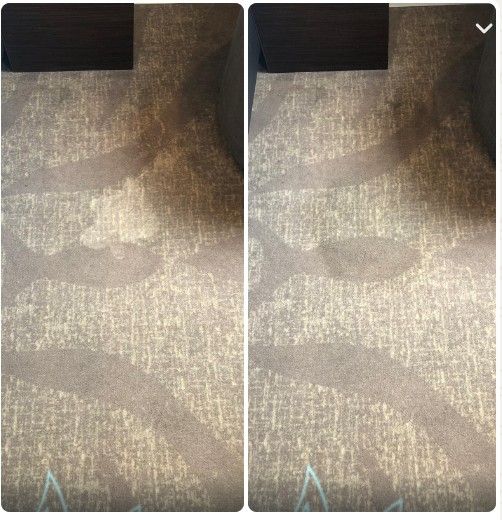
TLDR: A faster way to turn around rental properties
A bleach spot discovered at check-out can create a surprisingly expensive delay. The property may not be ready for photographs, viewings or a new tenant until the carpet is dealt with.
For letting agents, estate agents and landlords across the UK, professional carpet restoration can often resolve localised bleach damage in hours rather than the days or weeks involved in full carpet replacement. BD365 Carpet Colour Solutions specialises in carpet dyeing, bleach spot repair and colour restoration, with fast turnaround, expert colour matching and UK-wide coverage.
Restoring the existing carpet can cost around £80–£250 for many small or multiple spot repairs, while a larger job may start from £300+. Full replacement for an average room can cost £600–£1,600, before you factor in delays, furniture moving and lost rent.
In short: if the carpet is still worth saving, restoration can help protect the landlord’s budget, shorten the void period and get the property back on the market quickly.
The check-out discovery nobody wants
Friday afternoon. The tenant has handed back the keys. The check-out inspection begins.
Then someone spots it.
A pale splash beside the bed. A yellow patch in the hallway. A white mark near the skirting board. Perhaps the tenant has tried to disguise it with furniture. Perhaps they have helpfully made it larger with a supermarket stain remover.
The question quickly becomes:
“I got bleach on my carpet and it has stained. What do we do now?”
The property may no longer be ready for professional photography. Viewings may need to be postponed. A prospective tenant may notice the damage immediately. In a competitive rental market, that can mean losing momentum : and losing rent.
Every empty day has a cost.
The true cost of a carpet-related void
A carpet repair might be a few hundred pounds. A void period can quickly cost more.
For example, on rent of £1,400 per month, one empty week represents roughly £323 in lost rent. Two or three weeks can easily exceed the cost of professional bleach spot repair, before adding:
- Council tax and utilities
- Mortgage and insurance costs
- Cleaning and maintenance
- Additional marketing time
- Delayed move-in income
- Staff time arranging contractors
- Missed viewing opportunities
Industry guidance commonly identifies lost rent as the largest part of a void period. Goodlord’s guide to void periods explains how empty properties continue to create costs even when no tenant is living there.
The awkward bit is that the carpet repair itself may not be the expensive part. The delay around it is.
The letting agent’s fast-turnaround playbook
Here is the practical sequence for dealing with end-of-tenancy bleach damage without letting it derail the whole re-let.
1. Discover the damage at check-out
Record the damage as part of the check-out inspection.
Take:
- A clear close-up photograph
- A wider photograph showing the mark in the room
- Images from different angles where the colour changes in natural light
- Notes about the carpet’s condition and approximate age
- Any information about products the tenant has used
This evidence is useful for property records, deposit discussions and professional assessment.
2. Send the photographs for an assessment
Do not wait several days while comparing carpet samples or trying to find a replacement fitter.
Send the photos to a specialist who can advise whether restoration is realistic. BD365 offers a free photo assessment, allowing agents and landlords to get an initial view before committing to replacement.
A photo cannot always confirm the final result. However, it can often establish whether the damage appears localised and whether carpet dyeing may be suitable.
3. Arrange professional bleach spot repair
If the carpet is suitable, a trained technician can assess the fibre, colour, condition and depth of the damage before carrying out colour restoration.
BD365 specialises in:
- Professional carpet dyeing
- Bleach spot repair
- Carpet colour restoration
- Faded-area restoration
- Expert colour matching
- Residential and commercial work
Many localised repairs can be completed in a matter of hours, subject to access, carpet type and the complexity of the damage. That is a very different timetable from ordering and fitting a completely new floor.

4. Complete the clean and final checks
Once the repair is complete, the usual end-of-tenancy cleaning can continue.
The property can then be checked for:
- Colour consistency
- Dryness
- Any remaining visible damage
- Furniture placement
- General presentation for photography
5. Take fresh photographs and reopen viewings
This is where the turnaround starts paying for itself.
Instead of explaining a bleach mark to every prospective tenant, you can present a clean, well-maintained property. New photographs can be taken, viewings can go ahead and the next tenancy can progress.
Check-out Friday. Restoration over the weekend or early the following week. New tenant Monday?
That is the ambition. It is far more achievable when the response is organised and the carpet does not automatically go into the replacement queue.
Why restoration beats replacement when speed matters
Full carpet replacement sounds simple until the whole list appears.
You may need to arrange:
- Measuring
- Carpet selection
- Colour and pattern matching
- Ordering
- Delivery
- Furniture removal
- Uplift of the old carpet
- Disposal
- Underlay replacement
- Fitting
- Door bars or gripper adjustments
- A final clean
There may also be supply delays, discontinued colours or a mismatch between the new carpet and adjoining rooms.
For an average room, full replacement can typically cost around £600–£1,600, including carpet, underlay, fitting, uplift, disposal and furniture moving. Premium materials, larger rooms and awkward access can increase that figure.
By comparison, typical professional restoration pricing is often:
- Single small bleach spot: £80–£150
- Multiple spots or splashes: £150–£250
- Larger or more complex work: From £300+
The exact quote depends on the fibre, colour, size, location and complexity. But when the rest of the carpet is in good condition, restoration can protect both the budget and the letting timetable.
A warning about DIY fixes during a void
The pressure to “just sort it quickly” is understandable. It is also how a small repairable mark becomes a much more complicated job.
Tenants and agents sometimes try:
- Vanish or other shop-bought carpet spotters
- Dr Beckmann stain products
- Permanent markers or fabric pens
- More bleach
- Strong disinfectants
- Unapproved fabric dyes
- Repeated scrubbing
Some Vanish carpet products contain oxygen-based bleaching agents and their own guidance warns users to check colour-fastness, follow the instructions and stop if the carpet colour changes. See the Vanish carpet product guidance for the manufacturer’s precautions.
In real rental-property cases, store-bought spotters can leave a lighter patch or halo, particularly when the wrong product is used, too much is applied, the product is left too long or the carpet fibre is sensitive. Dr Beckmann products should also be used only according to the instructions for the specific product and carpet.
A marker may cover the centre of a spot but create an obvious dark outline. More bleach may spread the colour loss. A rushed DIY dye can leave a patch that is harder to match professionally.
The agent’s fastest next step is usually not another product. It is clear photographs and a professional assessment.

The same logic applies to hotels and commercial properties
The rental void has a close cousin in the hotel world: room downtime.
A hotel room taken out of service can mean:
- A cancelled booking
- A lost nightly rate
- A room change for a guest
- Reduced availability during a busy period
- Negative impressions during inspection
- Delays across housekeeping and maintenance teams
The same applies to offices, serviced accommodation, care settings and commercial buildings. A bleach mark in a corridor or meeting room may not look dramatic on paper, but it affects presentation and can interrupt normal use.
Professional restoration can help businesses improve the appearance of suitable carpets without closing larger areas for replacement work.

When replacement genuinely is the right call
Restoration is not a magic wand, and a responsible specialist should say when replacement makes more sense.
Replacement may be the better option when:
- The carpet is threadbare or badly worn
- The fibres have melted or suffered physical damage
- There are extensive stains across the whole room
- The carpet is heavily contaminated
- The material is unsuitable for dyeing
- Matching restoration would not meet the required presentation standard
- The carpet is already near the end of its useful life
If the carpet is damaged beyond its colour, not just discoloured, replacement may be more appropriate. The aim is not to avoid replacement at all costs. It is to avoid replacing a perfectly serviceable floor because of one or two localised marks.
Protect the budget. Protect the move-in date.
For letting agents, speed is not just a convenience. It affects rental income, landlord relationships and the ability to keep a property moving through the pipeline.
When bleach damage is found at check-out:
- Photograph the damage.
- Record what is known about the incident.
- Arrange a professional assessment.
- Restore the carpet where suitable.
- Complete final cleaning and checks.
- Take fresh marketing photographs.
- Restart viewings.
- Move towards the next tenancy.
BD365 Carpet Colour Solutions provides eco-friendly carpet restoration techniques designed to be safe for children and pets, with expert colour matching, fast turnaround and UK-wide coverage.
To get started:
- Call: 0800 1931 365
- WhatsApp photos: 07561 700670
- Email: info@bd365.co.uk
- Free photo assessment: bd365carpetcoloursolutions.co.uk/#photoassessment
A small carpet problem should not automatically become a long void period. Restore where possible, re-let sooner and keep another usable carpet out of landfill.