TLDR
A bleach spot on a carpet may be covered by insurance if you have the right accidental damage cover. But that does not automatically make a claim worthwhile.
First, check the excess. Then compare it with a professional restoration quote. A localised repair often costs less than the excess, while replacing a whole room can bring extra costs for uplift, disposal, underlay, fitting, furniture movement and downtime.
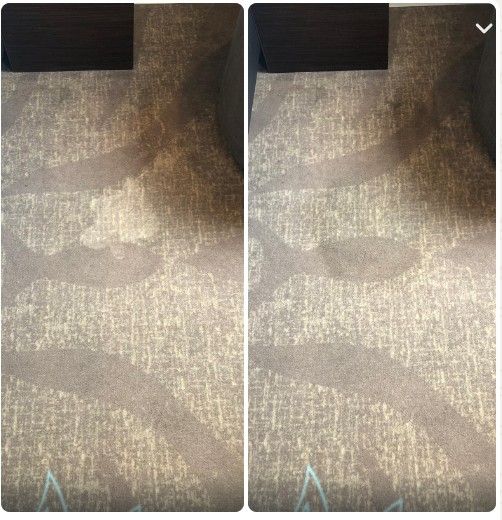
Bleach damage is colour loss, not dirt. Cleaning cannot put the missing pigment back. Professional carpet dyeing, bleach spot repair and carpet restoration can often restore the appearance far more quickly and sustainably than replacement.
BD365 Carpet Colour Solutions provides expert restoration UK-wide, anywhere from Cornwall to the Highlands, with Europe by arrangement.
The pale patch that starts the insurance panic
There it is.
The pale mark under the sink. The yellow-white splash beside the bed. The drip trail outside Room 214.
You search:
“Does home insurance cover bleach stains on carpet?”
Then comes the obvious assumption.
“Surely the insurer will just pay for a new carpet?”
Not necessarily.
And even if your policy might respond, claiming may not be the best financial decision.
This is not the same question as who pays when a professional cleaner causes damage. This is about your own home or commercial policy, the excess, and whether a claim is worth making at all.
First, bleach is not really a stain
A normal stain adds colour or residue to carpet fibres. Coffee, wine and mud sit on or within the fibre.
Bleach does the opposite.
It chemically removes or alters the original carpet dye. That is why the patch is often lighter, yellow, orange or almost white, while the carpet texture still feels perfectly normal.
There is usually nothing left to clean away.
That is why another round with a carpet machine will not restore the missing pigment. Scrubbing can also roughen the pile or spread active chemicals further.
If you are thinking, “I got bleach on my carpet and it has stained,” the important distinction is this:
It has probably lost colour rather than gained a stain.
Our guide to the difference between a bleach spot and a regular stain explains the difference in more detail.

The excess maths: the bit worth doing first
Most household and commercial policies have an excess. That is the amount you pay towards an accepted claim.
The exact figure depends on your insurer, policy and any voluntary excess you selected. Domestic excesses may be around £100, £250 or £500. Commercial excesses can be higher, particularly for larger premises.
Now compare that with typical BD365 restoration guide prices:
- One small bleach spot: around £80–£150.
- Several spots or a splatter pattern: around £150–£250.
- Larger or more complex colour restoration: often £300 or more.
- Full carpet replacement: commonly £600–£1,600+ for an average room, before every possible extra is added.
So, if your accidental damage excess is £250 and the repair quote is £125, making a claim does not save you money. You would still be paying the excess, and the claim may create paperwork and a claims history for no financial benefit.
If the excess is £100 and the repair is £150, the calculation is closer. That is when policy wording, future premiums and the insurer’s preferred approach matter.
This is why a restoration quote should be part of your first decision, not an afterthought.
What might your policy actually cover?
Insurance policies vary. Always check your policy schedule and wording.
Homeowners
A sudden, accidental spill may be covered if accidental damage is included. It is often an optional extension rather than standard cover.
However, exclusions may apply to:
- Cleaning products.
- Gradual discolouration.
- Wear and tear.
- Poor maintenance.
- Damage caused while attempting repairs.
- Certain types of fitted flooring.
Fitted carpets can also be classified differently depending on the policy. Some policies treat them as contents, while others may deal with fitted flooring under buildings or a specific section. Do not assume one applies simply because the carpet is fixed down.
Landlords and letting agents
A landlord’s policy does not usually exist to cover every instance of tenant damage or negligence.
If a tenant spills bleach, uses an unsuitable product or causes avoidable chemical damage, the issue may be a deposit and tenant-liability matter rather than an insurance claim. Fair wear and tear still applies, and any deduction must be reasonable and properly evidenced.
For letting agents, a restoration report can be useful evidence. It can show:
- The size and location of the damage.
- That the problem is chemical colour loss.
- Whether the carpet remains structurally sound.
- The reasonable cost of restoring it.
- Why full replacement is or is not proportionate.
That is much stronger than simply writing “carpet damaged” on a check-out report.
Hotels and businesses
Commercial policies usually bring their own excesses, exclusions and claims procedures.
A hotel may face:
- A material damage excess.
- An accidental damage or all-risks excess.
- Exclusions relating to cleaning, maintenance or staff actions.
- A possible premium loading at renewal.
- Loss-of-income considerations if rooms or areas are taken out of service.
For a small bleach mark, a commercial claim may be particularly hard to justify when a targeted repair is cheaper than the excess.
The hidden cost of making a claim
The excess is only the visible number.
A claim can also involve:
- A loss adjuster visit.
- Insurer-approved contractors.
- Replacement-only quotations.
- Arguments about betterment or the age of the carpet.
- Delays while liability and cover are assessed.
- A recommendation to replace an entire room, corridor or wing.
- Lead times for finding a matching carpet.
- Uplift and disposal.
- New underlay, gripper rods and door bars.
- Furniture out and back.
- Noise, dust and access restrictions.
- Rooms, offices or public areas being unavailable.
The phrase “replace the carpet” can sound simple. In practice, it can become a small building project.
A professional restoration assessment often avoids that chain reaction. If the carpet is structurally sound, BD365 can assess the fibre, identify the lost tones and restore the colour in situ.
Hotel maths: one bleach spot can become a revenue problem
For hotels, the real cost may not be the carpet.
It may be the room.
A bleach mark beside the bed might mean Room 214 is blocked out while someone decides what to do. A drip trail in a corridor can trigger a wider refurbishment discussion. A full replacement may then require several rooms or an entire floor to be taken out of service.
That can mean:
- Lost room nights.
- Guest relocation.
- Disrupted housekeeping routes.
- Conference or wedding-area restrictions.
- Negative reviews about tired flooring.
- A larger capital expenditure project than anyone planned.
A targeted colour match, completed quickly and scheduled around occupancy, can keep a room or corridor in service. Where the damage and access allow, same-day restoration is far less disruptive than arranging uplift and fitting.

For more on the operational side, see our guide to hotel carpet restoration and avoiding unnecessary downtime.
A fair warning about Vanish and Dr Beckmann
Not every pale patch comes from a bottle marked “bleach”.
Products such as Vanish Oxi-Action and some Dr Beckmann spot treatments use oxygen-based bleaching chemistry. Vanish’s product information refers to active oxygen released by sodium percarbonate, and its powder product is not intended for use on carpets.
That does not make these products automatically bad. It does mean they must be used exactly as directed, on suitable materials, with colour fastness checked first.
Repeated applications, strong mixtures, leaving product in the pile or using the wrong formulation can contribute to colour loss.
So:
- Follow the product label.
- Check whether the product is suitable for carpet.
- Test colour fastness as directed.
- Do not keep treating the same pale area.
- Tell the restoration specialist exactly what has been used.
Do not try to counter one chemical with another. No vinegar, bicarbonate of soda, tea, coffee, dye pens, markers or “bleach-on-bleach” fixes.
These can make the final repair harder and may complicate an insurance assessment.
Localised repair versus full replacement
| Option | Typical cost or impact | What it usually involves |
|---|---|---|
| Localised bleach spot repair | Around £80–£150 | Targeted colour matching and repair of one small area |
| Wider colour restoration | Around £150–£300+ | Several spots, larger faded sections or a complex pattern |
| Full carpet replacement | Often £600–£1,600+ | New carpet, uplift, disposal, underlay, gripper rods, fitting, furniture out and back |
| Commercial or hotel replacement | Project-dependent | Possible room downtime, corridor closures, lost revenue, access planning and waste |
These are guide figures, not a formal quotation. Carpet fibre, pattern, accessibility and the extent of damage all matter.
For a fuller breakdown, see our carpet bleach spot repair cost guide.
Restoration also keeps a serviceable carpet in use. That means less waste sent to landfill, fewer new materials manufactured and less disruption for your home, hotel or business.

Your pre-claim checklist
Before ringing the insurer, work through this list:
- Photograph the damage. Take close-ups and a wider room or corridor shot in daylight. Include a ruler or familiar object for scale if useful.
- Find the policy excess. Check the standard and accidental damage excess separately.
- Confirm accidental damage cover. Do not assume it is included.
- Check the flooring section. Find out whether the carpet is treated as contents, buildings or another insured item.
- Get a restoration quote first. If the repair is below the excess, a claim may not be necessary.
- Log what happened. Record the product, approximate amount, date, location and anyone involved.
- Do not authorise major work too soon. Some insurers require notification or approval before repair.
- Keep every photograph and quotation. This helps homeowners, landlords, agents and facilities teams make a fair decision.
When replacement really is the right call
Restoration is not the answer to everything.
Replacement may genuinely be more sensible where there is:
- Melted, brittle or badly worn fibre.
- Torn carpet.
- Failed seams.
- Delamination or damaged backing.
- Severe water damage beneath the carpet.
- Widespread deterioration.
- Carpet that was already at the end of its useful life.
- A construction or fibre type unsuitable for recolouring.
A reputable specialist should say so.
But if the carpet is sound and the main problem is a localised loss of colour, professional carpet dyeing and bleach spot repair are often the more proportionate options.
Free photo assessment from BD365
BD365 Carpet Colour Solutions specialises in carpet restoration, carpet dyeing and bleach spot repair for homes, letting agents, estate agents, hotels, offices and commercial premises.
We cover the UK, from Cornwall to the Highlands, with Europe by arrangement.
For a free initial photo assessment, send:
- A wider room or corridor view.
- Close-ups of the bleach marks.
- Your location.
- What happened.
- Any products already used.

Contact us:
- UK freephone: 0800 1931 365
- WhatsApp: 07561 700670
- Email: info@bd365.co.uk
- Website: BD365 Carpet Colour Solutions
Before you claim, run the excess maths.
The cheapest, quickest and most sustainable answer may be to restore the carpet rather than replace it.