Hello!
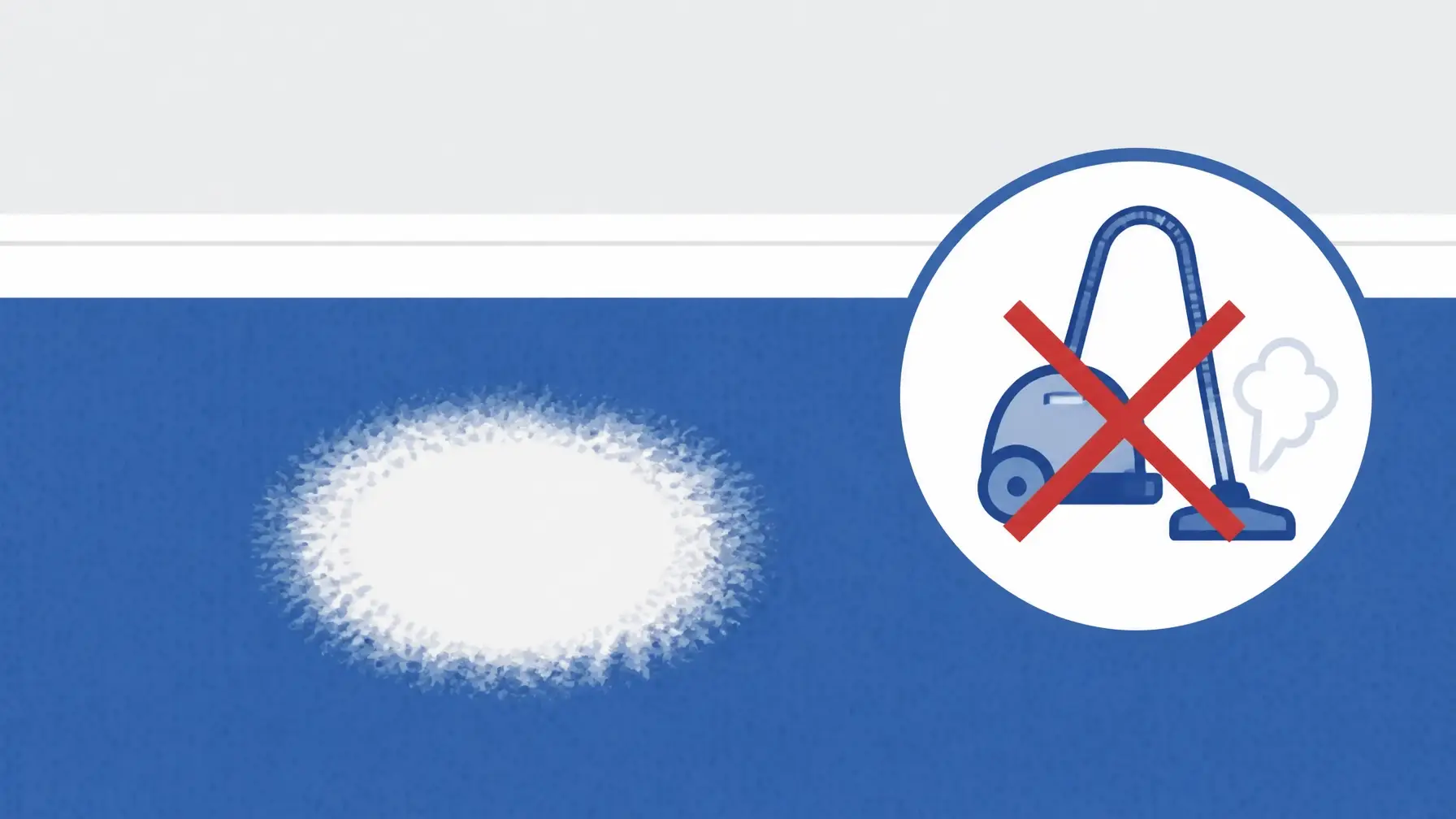
Read this guide to understand why steam cleaning cannot fix bleach damage on your carpet.
The Problem
Most people believe steam cleaning fixes all carpet issues. This is a myth. Steam cleaning is designed for dirt removal. Bleach damage is not dirt. It is a permanent chemical change.
Chemical Reality
- Stains: Foreign substances sitting on fibers (e.g., mud, coffee, ink).
- Bleach Spots: The removal of original dye from the fiber.
- Process: Oxidation.
- Result: Permanent pigment loss.

Why Steam Cleaning Fails
Steam cleaning uses hot water extraction. It pulls soil out. It does not put color back in.
- Extraction focus: Removes loose particles.
- Suction power: Cleans the surface and backing.
- Water temperature: Sanitizes the area.
- Missing element: Pigment replacement.
If you steam clean a bleach spot, you are simply cleaning a white area. The spot will remain white. Often, it looks more obvious because the surrounding dirt is gone.
The Chemistry of Bleach
Bleach contains sodium hypochlorite. This is an oxidizing agent. When it touches carpet, it attacks the "chromophores." Chromophores are the parts of the dye molecule that create color.
- Action: Breaks chemical bonds.
- Effect: Destroys dye molecules.
- Fibers affected: Nylon, wool, and silk.
- Outcome: The fiber returns to its natural, colorless state.
Comparison Chart
| Feature | Steam Cleaning | Bleach Spot Repair |
|---|---|---|
| Purpose | Soil removal | Colour restoration |
| Action | Extraction | Dyeing |
| Result | Clean fibers | Matched color |
| Fixes Bleach? | No | Yes |

Hidden Risks of Steam Cleaning Bleach
Using heat on a bleach spot can be dangerous for your carpet.
- Chemical Activation: Heat can reactivate dried bleach.
- Spread: Moisture can move active bleach to nearby fibers.
- Enlargement: The spot may grow during the drying process.
- pH Shift: High-heat cleaning can destabilize remaining dyes.
Professional Identification
Before you try to fix bleach spots on carpet, identify the type of damage.
- White spots: Complete dye loss.
- Yellow spots: Partial dye loss (usually blue and red tones gone).
- Orange spots: Blue tones destroyed; red and yellow remain.
- Faded areas: UV damage or mild bleach exposure.
The Professional Solution: Carpet Colour Restoration
If you want the spot gone, you need carpet colour restoration. This process involves adding the missing primary colors back into the fiber.
- Step 1: Neutralize active chemicals.
- Step 2: Evaluate the missing color spectrum.
- Step 3: Prepare specialized carpet dyes.
- Step 4: Manually apply dye to the affected area.
- Step 5: Blend the new color with the surrounding carpet.

Why DIY Fails
Many homeowners try to use markers or store-bought dyes. These rarely work.
- Wrong pH: Household dyes often wash out.
- Poor Matching: Amateur attempts look like messy stains.
- Fiber Damage: Incorrect chemicals can melt synthetic fibers.
- Permanence: Professional dyes are permanent and colorfast.
Technical Labels for Carpet Fibers
The success of color restoration depends on the material.
- Nylon: Excellent for dyeing. Highly absorbent.
- Wool: Natural fiber. Requires specific pH-balanced dyes.
- Polyester: Very difficult to dye. Often requires replacement.
- Triexta: Similar to polyester. Stain resistant but hard to re-dye.
When to Call BD365 Carpet Colour Solutions
- Accidental bleach spills.
- Toilet cleaner drips.
- Acne medication spots (Benzoyl Peroxide).
- Disinfectant overspray.
- Faded high-traffic areas.
Service Navigation
- Service Overview: Home
- Common Questions: FAQs
- Contact Experts: Contact Us
- More Tips: Blog
Final Summary
Steam cleaning is a maintenance tool. It is not a repair tool. Bleach damage is a structural change to the dye of your carpet. To fix it, you must use professional dyeing techniques.
- Do not scrub the spot.
- Do not use heat.
- Do neutralize the area.
- Do call a specialist.
Stop trying to clean away a chemical reaction. Restore the color instead.
Start your restoration today.
Edit your carpet’s appearance.
Delete the white spots.
Contact BD365.