TLDR
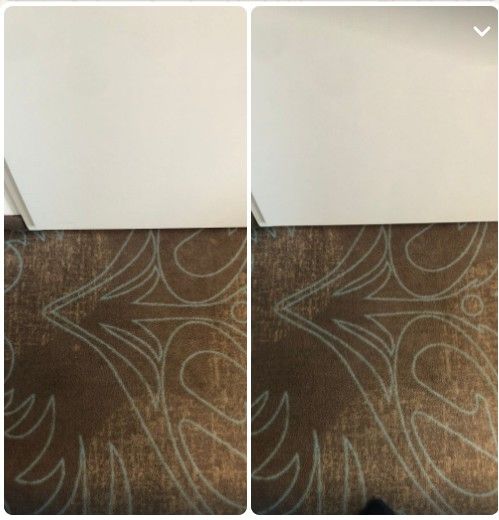
A small bleach spot may be a relatively simple £80–£150 repair when dealt with promptly. Leave it, scrub it, or cover it with another product, and it can become a larger colour restoration job, a deposit dispute, a failed property viewing or a full-room replacement costing around £600–£1,600.
The mark can become more visible as oxidising residue continues to affect the fibre, surrounding carpet fades, and sunlight or changed lighting exposes the damage. Vanish Oxi-Action, Dr Beckmann and other oxygen-based stain removers may also lighten some carpets.
BD365 Carpet Colour Solutions specialises in professional carpet dyeing, seamless bleach spot repair and full colour restoration. We use eco-friendly techniques designed to be safe for children and pets, offer fast turnaround and cover the whole of the UK.
“It’s only a small spot…”
It is one of the most expensive sentences in property maintenance.
You hear it after a tenant moves out. A housekeeper spots a pale mark beside a hotel bed. A homeowner notices a white patch near the sofa but decides to deal with it “when there’s time”. An estate agent sees it in a listing photograph and hopes furniture will hide it.
Sometimes it does hide.
Until the sun moves.
Or the furniture is moved.
Or the new tenant walks into the room.
Or a buyer views the property under brighter lighting and asks the question nobody wanted:
“What happened to the carpet?”
A small bleach spot is rarely improved by being ignored. It is usually improved by being assessed early.
“I got bleach on my carpet and it has stained”. What has actually happened?
The wording is understandable, but bleach damage is not a normal stain.
A regular stain adds colour to the carpet. Coffee, wine, mud and make-up leave unwanted material behind. Cleaning may remove or reduce that material.
Bleach damage is different. It removes or alters the carpet’s original dye. That is why the mark is often white, yellow, orange or noticeably lighter than the surrounding pile.
Our guide on the difference between a bleach spot and a regular stain explains the distinction in more detail.
The important point is simple:
You cannot clean colour back into a carpet. It needs professional recolouring or another suitable restoration solution.
Why the mark can look worse over time
Waiting does not always cause further damage. However, it can make the repair more complicated and the mark more obvious.
1. Residue may continue reacting
If bleach or another oxidising product remains in the pile, it may continue affecting the dye until it is properly stabilised. The spot can become brighter or spread slightly into surrounding fibres.
This is particularly frustrating because the original spill may have been tiny. The chemistry, unfortunately, does not care about your calendar.
2. The surrounding carpet keeps changing
The damaged area may stay light while the rest of the carpet gradually fades from sunlight, foot traffic and routine cleaning.
That creates a moving colour target. A professional can often match a localised spot very effectively, but the longer you wait, the more the surrounding pile may differ from its original shade.
3. DIY cover-ups enlarge the problem
A worried homeowner, tenant or cleaner may try to make the patch less noticeable with:
- A permanent marker or fabric pen
- Shoe polish
- Hair dye
- More bleach
- Vanish or another shop-bought spotter
- Dr Beckmann stain remover
- Heavy scrubbing
- A random online dye kit
This can turn one colour problem into several. There may now be dark outlines, uneven tones, product residue, flattened pile or a larger bleached area.
Our Vanish DIY carpet disaster guide covers why well-intentioned cleaning attempts can leave carpets orange, peach, yellow or stark white.
4. The mark appears under different lighting
A patch that looks barely noticeable in a dim room may stand out beneath LED lighting, a camera flash or bright daylight.
This is why a carpet can “look fine” during a quick inspection but become obvious in:
- Property listing photographs
- A check-out inspection
- A buyer’s viewing
- A hotel quality check
- A landlord’s inventory report
- A commercial premises inspection
Vanish and Dr Beckmann: useful stain removers, but not colour restorers
Products such as Vanish Oxi-Action and Dr Beckmann Carpet Stain Remover are designed to tackle stains. They are not designed to replace carpet dye.
Dr Beckmann’s product information lists oxygen-based bleaching agents in its carpet stain remover formula and advises users to test for colour fastness and material compatibility. Vanish also provides product-specific instructions and testing guidance.
That does not mean every use will damage every carpet. It does mean that oxygen-based products can lighten or alter some carpet dyes, particularly if the product is over-applied, left on too long or used on a sensitive fibre.
If a pale mark has appeared after using Vanish, Dr Beckmann or another “oxi” product, stop adding chemicals. Do not assume another application will even out the colour. It may do the opposite.
A professional assessment is usually the quicker route to a sensible answer.

The real cost: early repair versus full replacement
The price depends on the carpet fibre, colour, size, pattern, location and overall condition. As a general guide:
| Damage | Typical restoration cost |
|---|---|
| One small bleach spot | £80–£150 |
| Several marks or splashes | £150–£250 |
| Complex, patterned or larger restoration | £300+ |
| Full room replacement | Around £600–£1,600 |
That replacement figure is not just the cost of a roll of carpet. It may include:
- New carpet
- Underlay
- Fitting
- Gripper rods or door bars
- Furniture removal and replacement
- Uplift of the existing carpet
- Waste disposal
- Cleaning
- Staff or contractor time
- Lost rental or hotel income
For a landlord, a delayed repair can also extend the void period. For a hotel, one room taken out of service can cost more than the carpet work itself. For a business, a marked reception, meeting room or office can affect presentation every day.
Our bleach spot repair cost guide explains the main factors behind professional pricing.
A quick checklist for agents and landlords
When a small bleach spot is found, keep the response calm and practical.
- Photograph it in natural light. Take a close-up and a wider room image.
- Do not scrub it. Aggressive brushing can damage or flatten the pile.
- Do not add more product. Avoid bleach, stain removers, markers, shoe polish and hair dye.
- Record the approximate size. Note whether it is a single spot, a drip or several marks.
- Ask what has already been used. This helps the specialist assess the situation.
- Request a photo assessment. A clear image can often indicate whether restoration is realistic.
- Get a written quote before promising anything. Do this before agreeing costs with a tenant, landlord or buyer.
This approach is particularly useful during check-out. It creates a clear record for the property file and reduces the risk of an unnecessary replacement quote.
For a faster re-let, see our void-period turnaround playbook.
Hotels, offices and commercial properties
A small spot can have an outsized impact in a commercial setting.
In a hotel, a bleach mark beside the bed or near the entrance may take a room out of service. That can mean a lost booking, a room move or an awkward conversation with a guest.
In an office, a pale patch in a reception area or beside a desk becomes part of the daily backdrop. In a corridor, it may be seen by every visitor.
Restoration can often be completed far more quickly than ordering, uplifting and fitting a new carpet. It also avoids closing a larger area for unnecessary flooring work.

When replacement really is the better choice
Restore-over-replace is usually the sensible option when the carpet is structurally sound and the damage is localised. But restoration is not the answer to every carpet problem.
Replacement may be more appropriate where there is:
- Perished or failing backing
- Failed seams
- Serious water damage
- Widespread mould or contamination
- A badly worn or threadbare pile
- Melted or physically damaged fibres
- Extensive damage across the room
- A fibre that is unsuitable for colour restoration
- Carpet already at the end of its useful life
A responsible specialist should tell you when replacement makes more sense. The goal is not to save every carpet at any cost. It is to avoid replacing a perfectly serviceable floor because of one small, repairable mark.
Do not let a £100 repair become a £1,000 problem
A small bleach spot is not a decorating emergency. But it is also not something to hide, forget or attack with the cleaning cupboard.
Early professional advice can protect:
- Your carpet
- Your budget
- A tenant’s deposit
- A landlord relationship
- A hotel room’s availability
- A property’s viewing schedule
- Your sustainability goals
BD365 Carpet Colour Solutions specialises in professional carpet dyeing, bleach spot repair and full colour restoration. Our expert colour matching and eco-friendly dyeing techniques are designed to restore suitable carpets safely, quickly and with minimal disruption.
We cover the whole of the UK and offer free photo assessments.
- Phone: 0800 1931 365
- WhatsApp photos: 07561 700670
- Email: info@bd365.co.uk

Restore where possible. Replace only when necessary. And if someone says, “It’s only a small bleach spot,” send them for a quote before they send the carpet to landfill.