TLDR
Bleach spots on patterned, oriental and multi-tone carpets are not ordinary stains. They are areas where the original colour has been stripped from the fibres, leaving white, silver or yellowish halos that interrupt the design. A single-colour patch or DIY marker usually makes the damage more obvious.
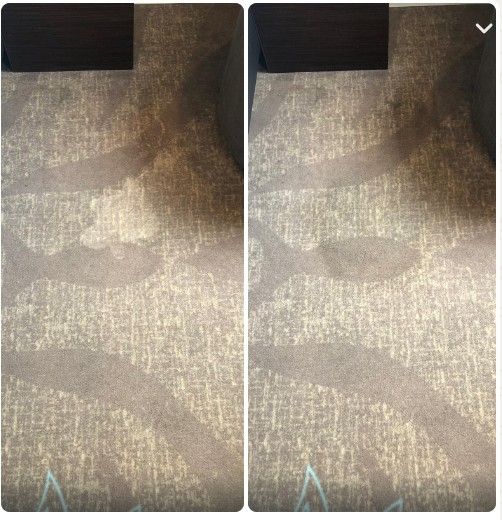
BD365 Carpet Colour Solutions specialises in professional carpet dyeing, bleach spot repair and carpet restoration across the UK. Using expert colour matching, syringe and airbrush precision, we can restore complex carpet geometries without the cost, disruption and waste of replacement. Homeowners, hotels, businesses and professional cleaners can give damaged carpets a second chance nationwide.
The patterned carpet problem nobody wants to discover
There is a special kind of panic that happens when bleach lands on a patterned carpet.
On a plain beige carpet, the damage is frustrating. On an oriental rug, geometric design, Axminster or multi-tone hotel carpet, it can look like someone has taken an eraser to the middle of the room.
The result is often a pale halo:
- A white patch surrounded by a yellow or silver edge.
- A faded-looking area that catches the light.
- A broken line in an otherwise neat geometric design.
- A missing section of colour in a detailed motif.
- A pale “shadow” that becomes more noticeable after cleaning.
And because patterned carpets are designed for the eye to follow repeated shapes, even a small bleach spot can shout for attention.
This is the recurring Reddit design nightmare: “Can I just dye the patch back?”
Usually, not with one colour.

Why one-colour dyeing fails on patterned carpets
A patterned carpet may look like one overall shade from a distance. Up close, it can contain several tones working together.
A warm brown carpet might include:
- Deep chocolate lines.
- Golden tan loops.
- Muted beige highlights.
- Rust, copper or burgundy details.
- Slightly darker and lighter areas caused by pile direction.
Bleach does not politely remove just one neat section of colour. It can affect several shades at once. It may also leave a halo where the liquid spread through the pile.
So, applying one brown dye to the entire mark rarely works.
Instead, you can end up with:
- A dark blob where the pale mark used to be.
- A patch that looks flat beside a textured design.
- One motif filled in while the surrounding shapes remain faded.
- A colour that looks right from one angle but wrong from another.
- A visible block that draws even more attention than the original damage.
This is why patterned carpet restoration is not simply a case of “matching the brown”.
It is about rebuilding the relationship between the colours.
The carpet is not a flat picture
Patterned carpets are three-dimensional. The design is formed through loops, tufts, twists, pile height and direction.
That matters because the same colour can appear different depending on how the fibres reflect the light. Move across the carpet and a section may look lighter. Walk back the other way and it may look deeper.
A patch can therefore be technically close in colour but still look wrong because:
-
The pile is facing a different direction.
Light catches the fibres differently, creating a visible block or stripe. -
The pattern crosses the damaged area.
A curved line, border, swirl or geometric shape may need to be restored in sections. -
The bleach has created a halo.
The centre may be nearly white while the outer edge is only partially faded. -
Several colours have been affected.
A single dye cannot recreate multiple missing tones. -
The carpet has natural variation.
Oriental-style and woven designs often rely on subtle shading rather than one uniform colour.
This is why a patterned carpet cannot always be treated like a plain wall. You cannot simply paint over the problem and hope the eye stops noticing.
Why DIY markers and “quick fixes” go wrong
Reddit is full of creative suggestions. Permanent markers. Crayons. Fabric pens. Hair dye. Shoe polish. A tiny bottle of something bought online at 11.47 pm.
We understand the temptation.
The problem is that most of these fixes are designed to cover a colour, not restore a carpet fibre. They can sit on the surface rather than blending into the pile. They may also behave differently when the carpet is cleaned, exposed to sunlight or walked on.
On a patterned design, the risks are even greater.
You may need to recreate several shades within a very small area. If the tones are slightly off, the pattern loses its rhythm. If the marker is too dark, you create a new spot. If it is too warm or too cool, the repair can look like a separate sticker placed on top of the carpet.
And once a DIY product has been applied, it can make professional colour matching more complicated.
Our advice is simple: if the bleach spot is visible, central, large or on a valuable patterned carpet, pause before adding more chemicals. Take a clear photograph and speak to a specialist.
How BD365 restores complex carpet designs
At BD365 Carpet Colour Solutions, we approach patterned bleach spot repair as detailed colour restoration rather than basic spot cleaning.
The first stage is understanding the damage. We consider the carpet’s fibre, the depth of the colour loss, the design around the spot and the way the pile is lying.
Then we work towards restoring the visual pattern.
Neutralising remaining bleach
Bleach can continue affecting fibres after the original spill. Before new colour is applied, any remaining chemical activity needs to be dealt with properly.
This helps prevent further fading and gives the new dye a more stable base.
Mapping the surrounding design
We look at what has been lost and what remains around it.
Is the pale area sitting across a border? Has it removed part of a repeated loop? Is the centre lighter than the edge? Does the pattern change direction?
These details help us decide how the repair should be built up.
Mixing more than one colour
Patterned carpets rarely respond well to a single ready-made shade. We use expert colour matching to recreate the relevant tones and blend them into the existing design.
The aim is not to make the entire area one colour. It is to restore the correct balance of light, dark, warm and cool tones.
Applying colour with precision
For detailed work, our technicians may use precision tools such as syringes and airbrushes.
A syringe allows controlled application into specific areas of the pattern. An airbrush can help create soft transitions and blend a halo without leaving a hard edge.
The colour is carefully built up rather than slapped on in one heavy layer. This matters on intricate geometries, where a heavy application can flatten the visual detail.
The goal is a repair that behaves like part of the carpet, not a patch sitting on top of it.

Restoration versus replacement: the sensible choice
Replacing a patterned carpet is rarely just the cost of the carpet itself.
There may also be:
- Measuring and ordering.
- Moving furniture.
- Removing the existing carpet.
- Disposal fees.
- Professional fitting.
- Business or hotel disruption.
- Matching adjoining rooms or areas.
- Long lead times for a discontinued design.
For a high-end home, hotel corridor or busy commercial space, the carpet may be perfectly serviceable apart from one damaged area.
That is where restoration makes sense.
Professional bleach spot repair can cost a fraction of replacing the whole floor. It also avoids sending a usable carpet to landfill and reduces the demand for new materials, transport and installation.
For landlords and property managers, this can mean a quicker turnaround between tenants. For hotels and businesses, it can mean repairing the problem without closing an entire room or section of the building.
In other words, the carpet gets a second chance. Your budget does too.
Patterned carpet restoration for homes, hotels and businesses
BD365 works with customers across the UK, including homeowners, landlords, property managers, hotel managers, business owners and professional cleaners.
We understand that the priorities can vary:
- Homeowners want the repair to disappear into the room.
- Hotels need a professional finish with minimal disruption.
- Landlords want to avoid unnecessary replacement costs.
- Businesses need durable results without shutting down valuable space.
- Professional cleaners may need a trusted restoration partner when cleaning cannot bring the colour back.
- Insurance companies may benefit from a repair-led solution where replacement is not necessary.
We specialise in carpet dyeing, bleach spot repair and wider carpet colour restoration. That includes localised damage, faded areas, sun damage and full colour changes where the carpet is suitable.

When should you call a professional?
A professional assessment is particularly worthwhile when the bleach spot is:
- On an oriental, patterned or multi-tone carpet.
- In the centre of a room or another high-visibility area.
- Surrounded by a pale or silver halo.
- Larger than a small splash.
- On wool or another luxury fibre.
- Part of a hotel, office or commercial installation.
- Already treated with markers, dyes or household chemicals.
Avoid scrubbing the area. Avoid adding more products. Bleach damage is a colour-loss problem, not something that ordinary carpet cleaning can remove.
You can learn more about the difference between a bleach spot and a regular stain, or read our advice on bleach spots on wool carpets.
For cost expectations, see our guide to how much it costs to fix a bleach spot on carpet.
The bottom line
A bleach spot on a patterned carpet is not a simple patching job.
The white halo may have affected several colours, different parts of the pile and more than one section of the design. A single-colour dye can easily turn a bad accident into a very obvious repair.
Professional carpet restoration takes a different approach. It combines careful assessment, expert colour matching and controlled application using tools such as syringes and airbrushes. The result is designed to respect the carpet’s pattern, texture and pile direction.
Before you price up a full replacement, speak to BD365 Carpet Colour Solutions.
We restore carpets across the UK for homes, hotels, businesses and property professionals. It is often quicker, more sustainable and considerably more cost-effective to restore what you already have.

Contact BD365 through our website to discuss your patterned carpet, send photographs and find out whether restoration could be the better option.
Your carpet may not need replacing.
It may just need the right colours put back.