TLDR
A rented carpet cleaner can make a bleach spot look worse, especially when hot water, repeated passes and aggressive agitation spread leftover bleach or disturb weakened fibres. Steam cleaning removes dirt. It does not put lost colour back.
If your carpet has been bleached, stop scrubbing, avoid adding more chemicals and do not rush into replacement. Professional bleach spot repair, carpet dyeing and colour restoration can often make the damage blend in beautifully. BD365 Carpet Colour Solutions offers expert restoration with nationwide UK coverage for homes, hotels and businesses.
The Reddit Carpet Cleaner Cautionary Tale
There is a particular kind of household panic that starts with a small pale mark on the carpet.
Perhaps a bottle tipped over. Maybe a cleaning spray landed where it should not. Or someone used bleach to tackle a stubborn stain and discovered that the carpet did not appreciate the experiment.
The next step often sounds sensible:
“I’ll rent a carpet cleaner and wash it out.”
That was the thinking behind a recent Reddit cleaning discussion. The user had a bleach-damaged area and hoped a rented steam or carpet cleaning machine would improve things.
Instead, the spot appeared larger and more noticeable.
Cue the familiar sequence:
- Apply cleaning solution.
- Scrub with determination.
- Make several more passes.
- Step back.
- Whisper, “Oh no.”
It is an understandable mistake. But a bleach spot is not a normal stain. Treating it like one can turn a small repair into a larger restoration job.
Why Steam Cleaning Cannot Remove a Bleach Spot
A conventional carpet cleaner is designed to remove soil.
It lifts away dirt, dust, oily residue and everyday spills. Hot water extraction can be very useful for maintaining a carpet. However, it cannot replace colour that has already been chemically removed.
Bleach attacks the carpet’s dye. In simple terms, it takes colour out of the fibres.
That means:
- Coffee is a stain.
- Mud is a stain.
- Grease is a stain.
- Bleach damage is colour loss.
Cleaning the carpet may leave the affected area cleaner. It will not make the original colour magically reappear.
In fact, the spot can look more obvious after cleaning because the surrounding carpet is brighter. The carpet has had a wash, but the bleach mark is still standing there like it has just won an argument.
For a closer look at the difference, read our guide: Does steam cleaning remove bleach spots?

How a Rented Machine Can Make the Damage Worse
Using a carpet cleaner does not always cause additional chemical damage. The outcome depends on what was spilled, how long it was left, the carpet fibre and how the machine was used.
However, there are several ways a DIY cleaning attempt can make the situation more difficult.
1. Moisture can move leftover bleach
If the original spill was not fully removed, adding a large amount of water can move residue beyond the first affected area.
The machine sprays. The carpet becomes wet. The liquid travels through the pile and can reach nearby fibres.
That can create a wider, softer-looking halo around the original mark.
2. Repeated passes can spread the problem
When a spot does not disappear immediately, it is tempting to keep going. One pass becomes five. The cleaning head goes backwards and forwards over the same section.
Unfortunately, more passes do not restore lost colour. They may spread moisture and chemical residue further, while also making the carpet take longer to dry.
3. Agitation can disturb weakened fibres
Bleach can weaken some carpet fibres, particularly if it has been left in place. Vigorous brushing or scrubbing can roughen the pile, create texture differences or make the damaged area catch the light.
Even when the colour repair is successful, a physically damaged or flattened area may need extra care.
4. Heat is not a colour-restoration tool
“Steam” sounds powerful. It is not powerful in the particular way needed here.
Heat can help loosen some soils. It cannot recreate the dye molecules that bleach has removed. Using a hot machine repeatedly on a fragile area is therefore a bit like trying to repair a missing tile by polishing the floor around it.
The shine may improve. The tile remains missing.
Our general advice is simple: do not use bleach in a rented machine, do not mix cleaning products and avoid repeated hot passes over a chemically damaged patch. Follow the equipment manufacturer’s instructions for any wider carpet cleaning, but treat the damaged area separately and gently.
What to Do If You Have Already Used the Machine
First, do not panic. A larger-looking mark does not automatically mean the carpet is beyond saving.
Stop adding products
Do not reach for more bleach, vinegar, washing-up liquid, fabric dye or a permanent marker. Mixing household chemicals can create dangerous fumes, and DIY colour products may leave a second problem that is harder to correct.
Blot rather than scrub
Use a clean white cloth or plain white paper towel. Press gently and lift. Do not rub from side to side.
This helps remove moisture without pushing it further through the pile.
Use plain water only for a fresh spill
If bleach has only just been spilled, careful rinsing with cool or lukewarm water may help dilute and remove remaining residue. Blot or extract the moisture without soaking the backing.
Ventilate the room and keep children and pets away from the area until it is dry and safe.
If the carpet is wool, expensive, patterned or visibly changing texture, professional advice is the safer option. You can also read what to do after accidentally spilling bleach on carpet.
Photograph the damage
Take clear photographs in natural light. Include one close-up and one image showing the full area.
This is useful when asking a restoration specialist for an initial view and quote. It is also helpful for landlords, property managers and insurance companies.
Why Professional Bleach Spot Repair Is Different
Professional carpet restoration does not try to clean the colour back into the carpet.
It replaces the missing colour.
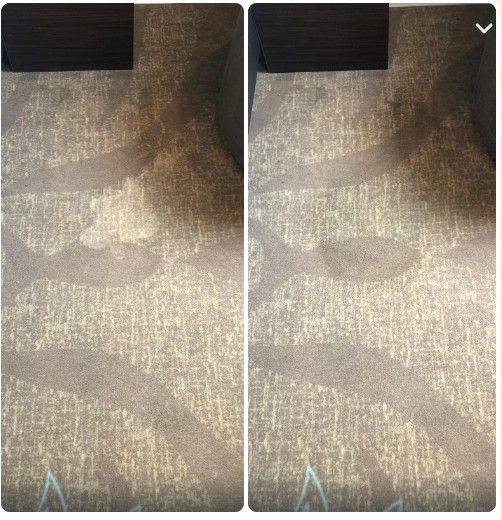
At BD365 Carpet Colour Solutions, we assess the carpet fibre, the size of the damaged area, the depth of the colour loss and the surrounding shade. We then use professional dyeing techniques to blend the repaired section into the existing carpet.
The process may include:
- Checking the carpet type and condition.
- Identifying and removing any active chemical residue.
- Assessing whether the damage is colour loss, fibre damage or both.
- Creating a suitable colour match.
- Applying the dye carefully to the affected fibres.
- Blending the repair so it sits naturally with the surrounding carpet.
This is particularly important with patterned carpets. A repair is not simply “make the patch brown” or “add a bit of beige”. The surrounding area may contain several tones, and the colour can look different under daylight, warm lamps and hotel lighting.
That is where experience matters.

Restoration Versus Replacing the Carpet
A bleach spot can make an otherwise attractive carpet feel ruined. For high-end homes, hotel rooms, offices and rental properties, replacing an entire carpet may seem like the only respectable answer.
Often, it is not.
Professional restoration can offer:
- Lower costs: Repairing one damaged area is usually far less expensive than replacing a whole room.
- Less disruption: There is no need to clear the room, remove the carpet and arrange a full installation.
- Less waste: A perfectly usable carpet does not need to go to landfill because of one pale patch.
- Faster turnaround: Many spot repairs can be completed far more quickly than a replacement project.
- A better visual result: Expert colour matching can make the damage blend into the existing carpet.
- A more sustainable choice: Restoration extends the life of the flooring already in place.
Our carpet bleach spot repair cost guide explains why a bespoke quote is important. The final price depends on the carpet fibre, the size and number of spots, accessibility and the complexity of the colour match.
Replacement may still be appropriate where the carpet is already heavily worn, the fibres have melted or the damage is extensive. But it is worth getting a professional assessment before ordering a whole new carpet.
A Note for Hotels, Businesses and Professional Cleaners
Commercial carpets face extra pressure.
Hotel corridors, bedrooms, offices and serviced apartments need to look consistent. A small white mark can be surprisingly noticeable, particularly in a patterned carpet or a high-traffic area.
Cleaning teams also work under time pressure. When a stain appears, the instinct is to reach for the machine and get it handled quickly.
If the mark is actually bleach damage, pause before treating it as a cleaning issue.
Mark the area, photograph it and report what product caused the damage if known. Avoid repeated hot-water extraction on the spot until it has been assessed. A prompt referral to a restoration specialist may prevent the affected area from spreading and reduce the chance of a costly replacement.
BD365 works with homeowners, landlords, property managers, hotels, commercial premises and insurance companies. Our services include professional carpet dyeing and colour restoration, as well as targeted bleach spot repair.
The Better Rule: Clean Dirt, Restore Colour
A rented carpet cleaner has its place.
It can refresh a tired carpet and remove everyday grime. It is not a magic wand for chemical colour loss.
If bleach has removed the colour, the answer is not more steam, more scrubbing or a stronger product. The answer is careful assessment and professional carpet dyeing.
So, if your carpet cleaner has made the bleach spot look worse, put the machine away. Your carpet may not need replacing. It may simply need the right kind of help.
Contact BD365 for professional carpet restoration advice, with nationwide UK coverage for residential and commercial clients.
