TLDR
No, it is usually not too late to fix a bleach spot that has been sitting on your carpet for months or even years.
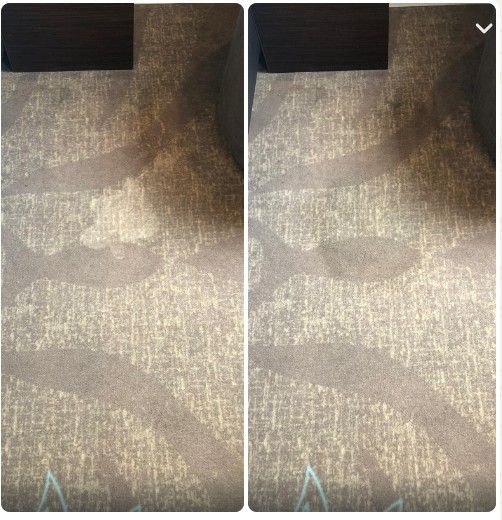
Bleach damage is permanent colour loss. It is not a normal stain that cleaning can remove. However, if the carpet fibres are still intact, professional bleach spot repair, carpet dyeing or carpet recolouring can often restore the missing colour and blend the area into the surrounding carpet.
DIY pens, household dyes and repeated scrubbing can make the repair harder. Replacement may also be unnecessary, expensive and wasteful.
BD365 Carpet Colour Solutions specialises in professional carpet dyeing, colour matching and bleach spot repair. We work across the UK, from London to Edinburgh, helping homeowners, hotels, businesses, landlords and professional cleaners restore carpets instead of replacing them.
The bleach spot has been there forever. Is the carpet ruined?
This is the panic point.
You spot a pale patch in the corner of the room. Perhaps it has been there since a cleaning accident six months ago. Perhaps you only noticed it after moving a sofa. Maybe it has been quietly glaring at you for three years.
Then comes the big question:
“Is it too late to fix an old bleach spot on carpet?”
In many cases, no.
The age of the mark is not usually the deciding factor. What matters more is:
- The type of carpet fibre.
- Whether the fibre is still structurally sound.
- The size and depth of the bleach damage.
- The original carpet colour.
- Whether DIY products or harsh chemicals have been used since.
- How much wear the surrounding carpet has experienced.
If the carpet is still in reasonable condition, an old bleach spot may be a very good candidate for professional carpet restoration.
Bleach does not stain carpet. It removes the colour.
This is the key distinction.
A normal stain adds something to the carpet. Coffee, wine, mud and grease leave unwanted material behind. Professional cleaning aims to remove it.
Bleach works differently. It attacks the dye already inside the carpet fibre. In simple terms, it takes the colour away.
That is why a bleach spot can appear:
- White.
- Cream.
- Yellow.
- Orange.
- Pale pink.
- A strange faded version of the original shade.
There is nothing sitting on top of the carpet waiting to be scrubbed away. The missing pigment needs to be carefully replaced.
This is also why steam cleaning alone will not repair bleach damage. Cleaning can remove dirt around the mark, but it cannot put the lost colour back.
For a fuller explanation, see our guide on the difference between a bleach spot and a regular stain.
Why an old bleach spot can still be repairable
The good news is that bleach often damages the colour before it destroys the physical structure of the fibre.
So, while the patch may look dramatic, the carpet itself may still be perfectly usable. The pile may still be present. The texture may still match the rest of the room. The only obvious problem is that the colour has disappeared.
That is where professional carpet dyeing comes in.
A trained technician can assess the existing carpet and determine whether the fibre is suitable for dyeing. The missing colour can then be recreated and applied carefully to the affected area.
An old spot may even be easier to assess than a fresh spill. There is no wet patch to interpret. The final colour change is visible, and the technician can see how the carpet has aged around it.
However, old does not mean invincible. If the carpet has become brittle, melted, badly worn or physically damaged, dyeing may not be the right solution. An honest assessment is essential.

What if I already tried to fix it myself?
You are not alone.
Reddit is full of brave attempts involving permanent markers, fabric dye, hair dye, paint and “just a tiny bit of bleach to even it out”. The internet has many talents. Carpet colour matching is not always one of them.
DIY attempts can create extra problems, including:
- A colour that is too dark or too bright.
- A visible outline around the repair.
- Blue, green or purple undertones.
- Dye that transfers onto socks or furniture.
- A stiff or crunchy texture.
- Chemical residue that interferes with professional dyeing.
- A larger damaged area caused by scrubbing or spreading products.
This does not automatically mean the carpet cannot be saved. It simply means the technician has more information to assess.
Tell the restoration specialist exactly what has been applied. Even if it was a product from the back of the cupboard that seemed like a good idea at the time.
The best next step is to stop experimenting and arrange a professional assessment.
How BD365 repairs old bleach spots
At BD365 Carpet Colour Solutions, we do not treat bleach damage like a standard stain. Our approach is focused on controlled colour restoration.
The process will vary depending on the carpet, but it may involve:
1. Assessing the carpet fibre
Different fibres react differently to dye. Wool, nylon and synthetic carpets all have their own characteristics.
We look at the fibre, pile, condition and existing colour before recommending a repair method.
2. Checking for remaining chemical activity
If bleach residue is still present, it needs to be dealt with before new colour is applied. Otherwise, it may continue affecting the carpet or interfere with the repair.
3. Matching the surrounding colour
A carpet is rarely just one simple shade. A “beige” carpet may contain several subtle tones. A dark grey may have blue, brown or green undertones.
BD365 uses expert colour matching to recreate the right tone for the specific carpet, taking account of age, fading and surrounding wear.
4. Applying colour precisely
For localised damage, precision matters. We use controlled syringe and airbrush techniques where appropriate, rather than flooding the entire area with dye.
This allows the colour to be built up carefully. The aim is to blend the repair into the surrounding fibres, not create another obvious patch.
5. Checking the result
We assess the repaired area from different angles and in the surrounding light. Carpet can look different in daylight, artificial light and from across the room.
The goal is a natural, seamless-looking result that restores confidence in the space.

Is professional carpet dyeing better than replacing the carpet?
For a small, localised bleach spot, replacement can feel like using a sledgehammer to crack a walnut.
Replacing one room may involve:
- New carpet.
- Underlay.
- Fitting.
- Uplift and disposal.
- Moving furniture.
- Matching adjoining rooms.
- Business or hotel disruption.
- Time away from the property.
And even then, finding an exact match for an older carpet can be difficult. A new carpet next to an existing one may look noticeably different.
Professional carpet recoloring or spot dyeing can be a far more practical option when the rest of the carpet is in good condition.
It is usually:
- More cost-effective than full replacement.
- Faster than arranging a new carpet installation.
- Less disruptive for homes and businesses.
- More sustainable.
- Better suited to preserving high-quality or hard-to-match carpets.
Our guide to the cost of fixing a bleach spot on carpet explains why a repair quote depends on the carpet fibre, damage, colour and accessibility.
The sustainability benefit of restoring instead of replacing
A carpet does not need to be thrown away because of one pale patch.
Restoration helps extend the useful life of the carpet already in your home, hotel, office or rental property. That means less new material needs to be manufactured, transported and fitted. It also means less carpet goes to waste.
For eco-conscious homeowners and property managers, this is an important part of the decision.
Restoration is not just about saving money. It is about making better use of what you already have.
BD365 uses eco-friendly dyeing techniques designed to be safe for children and pets when the work is completed correctly. It is a sensible choice for busy households, guest accommodation and commercial spaces where presentation matters.
When might replacement be the better choice?
We believe in restoration, but restoration is not always the right answer.
Replacement may make more sense if:
- The carpet is threadbare throughout.
- The pile is severely worn.
- The fibres have melted or become brittle.
- There is extensive physical damage.
- The carpet is heavily contaminated.
- The carpet was already near the end of its useful life.
- The damaged area is too large for a natural-looking repair.
In some cases, a professional patch repair may be considered instead of dyeing. The right option depends on the carpet and the result required.
You can find more answers in our carpet colour restoration FAQs.
What should you do now?
If the bleach spot has been there for months, do not panic. Also, do not add another product to it in the hope of a miracle.
Instead:
- Take a clear close-up photograph.
- Take a wider photograph showing the mark in the room.
- Note how old the damage is.
- Write down anything already used on the carpet.
- Contact a specialist for an honest assessment.
BD365 works with homeowners, hotel managers, landlords, property managers, businesses, insurers and professional cleaners across the UK.
From London to Edinburgh, we help restore carpets in residential and commercial spaces.
Send BD365 photos for a free assessment and we can advise whether professional carpet dyeing or bleach spot repair may be suitable.
Final answer: no, it is probably not too late
A bleach spot that has been there for months or years is not automatically a lost cause.
The bleach has permanently removed colour from the fibre. That part is true. But permanent colour loss does not always mean permanent carpet replacement.
If the fibres are still intact, professional bleach spot repair, carpet dyeing and carpet restoration can often bring the area back into balance.
So, before you hide the mark under a rug, replace the whole room or attempt one more questionable DIY fix, get it assessed.
Your carpet may have more life left in it than you think.