TLDR
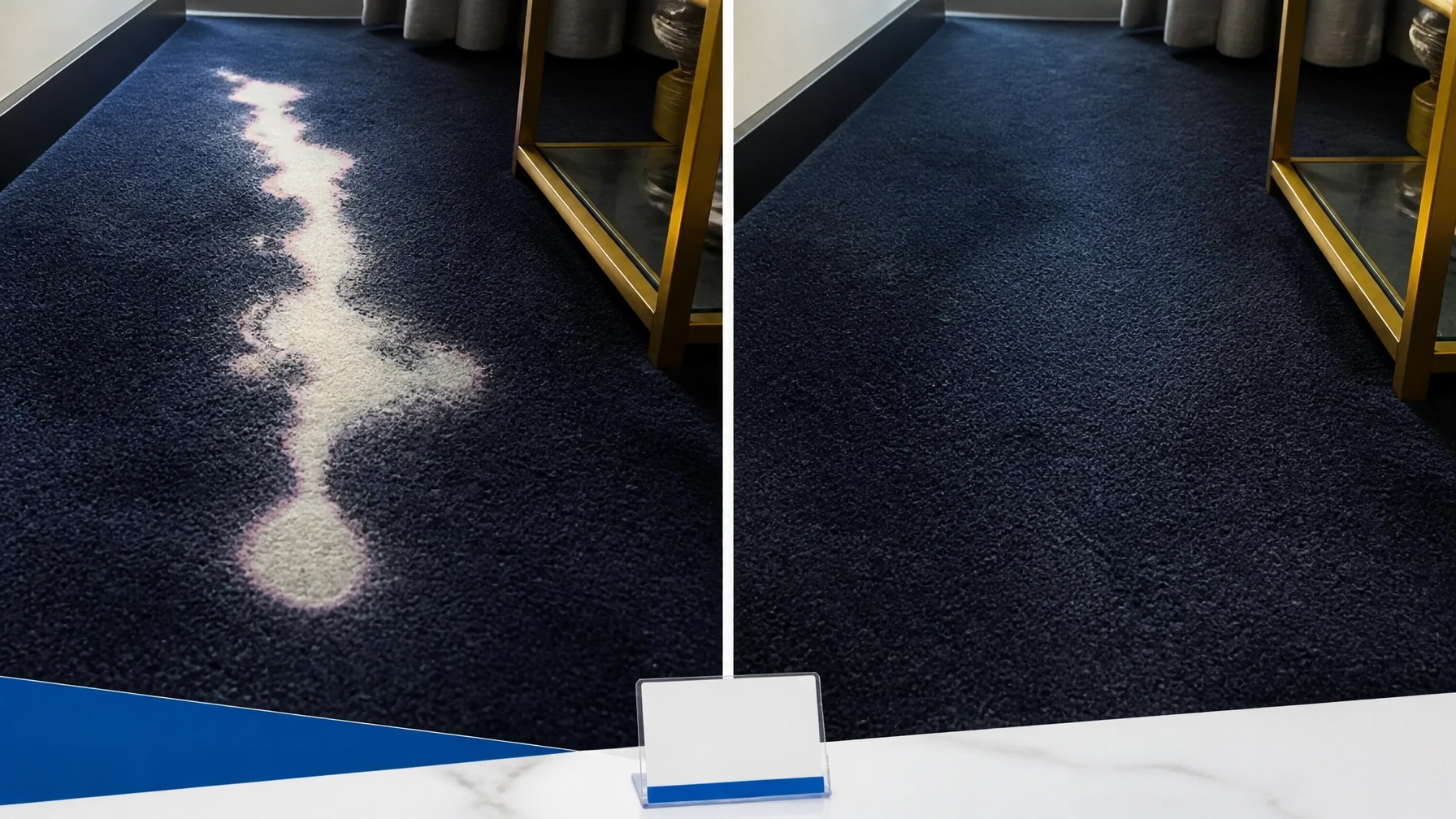
A light carpet can appear to “get away with” a bleach drip because it already contains less visible pigment. A dark carpet, on the other hand, often has a deeper dye load, so bleach can create an instant white, cream, yellow or pink halo that looks dramatically worse.
But light carpets are not bleach-proof. They can still develop yellowing, faded patches and uneven rings. Bleach removes or changes colour inside the carpet fibres, so ordinary cleaning cannot put it back.
BD365 Carpet Colour Solutions specialises in professional carpet dyeing, bleach spot repair and carpet restoration. With expert colour matching, eco-friendly dyeing techniques safe for children and pets, and fast turnaround, we help restore suitable carpets instead of sending them to landfill. We cover towns and cities across the UK.
“Why does my dark carpet look ruined, but my light carpet barely changed?”
It is a very reasonable question.
It is also one that appears regularly on Reddit and in carpet cleaning forums. Someone spills bleach in two rooms. The pale carpet looks mostly fine. The navy, charcoal or deep brown carpet suddenly has a bright mark that appears to shout:
“Something terrible happened here.”
The carpet has not developed a normal stain. Bleach has changed the colour of the fibres themselves.
That is the key difference.
A coffee stain adds colour or residue to the carpet. Bleach removes or alters the original colour. It is less “dirty patch” and more “missing part of the carpet’s colour recipe”.
Why bleach damage looks worse on dark carpet
Dark carpets are usually made with richer, stronger colours. A charcoal carpet may contain several dye components working together. A deep blue may contain blue, red or violet tones to create the final shade.
When bleach touches those dyes, it starts breaking down the colour-producing compounds.
On a dark carpet, even a small amount of colour loss creates a high-contrast mark. The result may look:
- White or cream
- Pale yellow
- Orange
- Pink or reddish
- Grey and washed-out
- Surrounded by a lighter halo
The darker the surrounding carpet, the more dramatic the contrast.
It is the same reason a tiny scratch is obvious on a glossy black car but barely visible on a silver one. The damage may be similar. The visual shock is not.
The dreaded halo effect
Bleach rarely stays in a perfectly neat circle. A drip can spread through the pile, soak into nearby fibres or travel along the carpet surface.
This creates a central spot surrounded by a softer ring of partial colour loss.
The centre may be almost white, while the edges appear pink, orange, yellow or pale grey. That halo is not dirt waiting to be cleaned. It is an area where the bleach has affected the carpet to a different degree.
The result can look a little like a badly planned art project. Unfortunately, the carpet did not volunteer for the role.
Why a light carpet may look “fine”
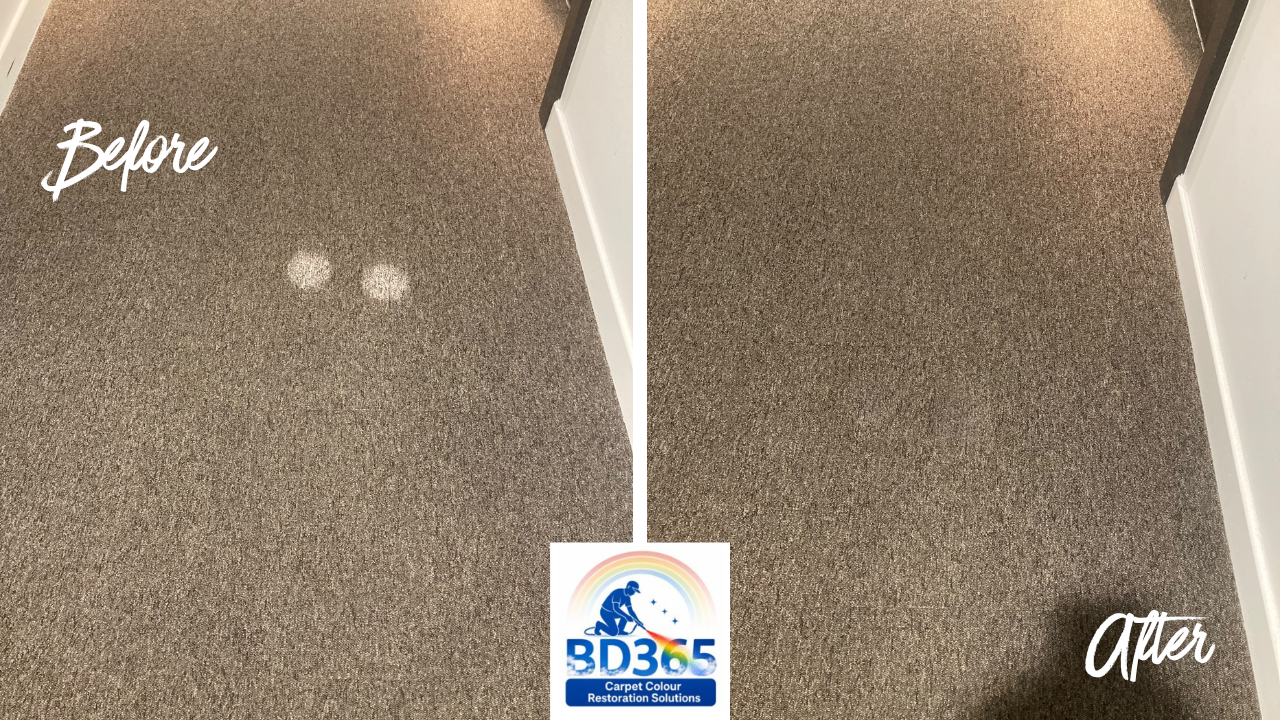
Light carpets often contain less concentrated visible colour. A beige, cream or pale grey carpet may already be close to the colour left behind when dye is partially removed.
So, after a small bleach accident, the change may be less obvious.
The bleach has still affected the fibres. It simply has less visual contrast to work with.
A pale carpet may show:
- A slightly lighter patch
- A yellow or warm-toned area
- A ring around the outside of the spill
- Uneven fading
- A patch that appears only in certain lighting
- A change that becomes more visible after surrounding areas are cleaned
This is why “I can barely see it” does not necessarily mean “nothing happened”.
The carpet may look acceptable in the evening, then reveal a strange pale patch in bright daylight. Hotel managers and landlords know this problem well. A mark that disappears under warm lighting can become remarkably obvious beside a large window or in professional property photographs.
Light carpet is not bleach-safe carpet
There is a common assumption that bleach is somehow safer on white or light-coloured carpet.
That is not a reliable rule.
Some light carpets are dyed. Others contain blended fibres with different reactions to chemicals. Natural fibres, including wool, can be especially sensitive. Certain synthetic carpets may resist colour change better, but strong or prolonged chemical contact can still cause fading or fibre damage.
The final result depends on several factors:
- Carpet fibre
- Original colour
- Dye type
- Strength of the bleach
- How long it remained in contact
- Whether it spread through the pile
- Previous cleaning or chemical treatments
- General age and condition of the carpet
That is why a professional assessment matters. Two carpets that look similar may respond very differently.
Bleach does not behave like an ordinary stain
A normal stain is usually something sitting on, or absorbed into, the carpet. Cleaning is designed to remove that unwanted material.
Bleach is different. It chemically alters the dyes that give the carpet its colour.
Once the original colour has been removed, more cleaning will not magically retrieve it. Scrubbing may make the area look brighter by cleaning the surrounding fibres, but it will not replace the missing pigment.
In some cases, repeated cleaning can make the contrast worse. It may also flatten or disturb the pile, making the area reflect light differently.
That is why carpet cleaning and colour restoration are separate services.
Cleaning deals with soil and stains.
Carpet restoration deals with colour loss.
What about bleach spots on patterned carpets?
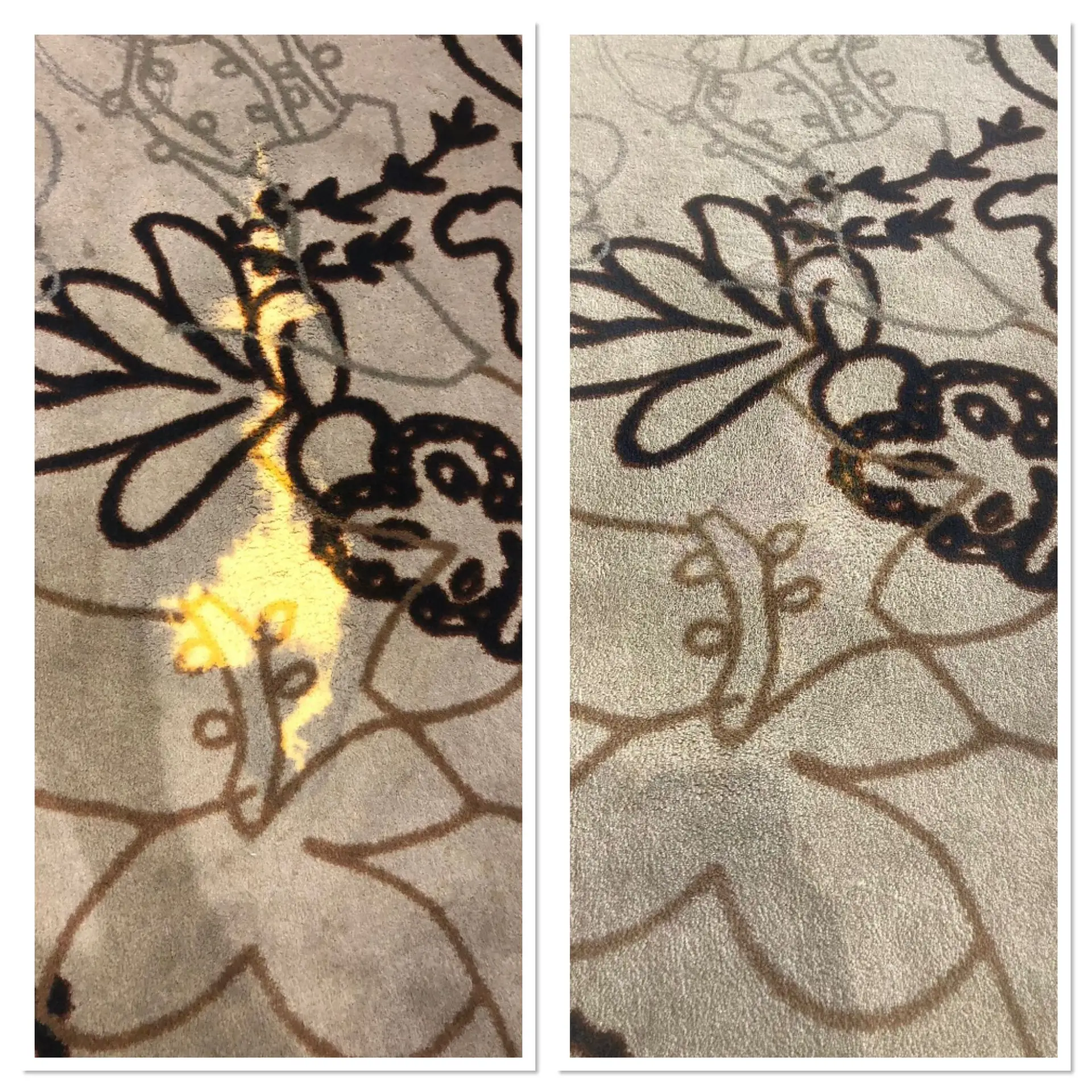
Patterned carpets can be particularly challenging because the damage may cross several colours at once.
A single bleach drip could affect:
- A pale background
- A dark border
- Several small pattern details
- Different fibre shades within the same design
A simple one-colour repair may stand out just as much as the original damage.
Professional bleach spot repair requires careful colour matching and controlled application. The aim is not simply to make the spot “dark”. It is to rebuild the right tones and blend them with the surrounding pattern.
How professional colour restoration fixes the problem
At BD365 Carpet Colour Solutions, we begin by assessing whether the carpet is suitable for restoration.
We consider the fibre, colour, pile condition, size of the damage and likely depth of the chemical effect. Where restoration is appropriate, our process may include:
-
Assessing the damage
We identify whether the mark is likely to be bleach or chemical colour loss rather than a normal stain. -
Checking the carpet’s condition
A carpet that is structurally sound is usually a better restoration candidate than one that is threadbare, brittle or badly worn. -
Preparing the affected area
Any remaining chemical activity or residue needs to be considered before colour work begins. -
Matching the surrounding colour
A “dark grey” carpet is rarely just one colour. Our technicians use expert colour matching to recreate the shade, tone and depth required. -
Applying colour precisely
Professional carpet dyeing may involve careful, targeted application to the affected fibres. The goal is a blended repair rather than an obvious painted-on patch. -
Checking the result
We assess the repair under the surrounding light and from normal viewing angles, then explain any appropriate aftercare.

The result depends on the individual carpet. Some repairs blend extremely well. Others may be a significant improvement rather than completely invisible. We give realistic advice before any work is booked.
Why restoration is usually better than replacement
Seeing a white spot on a dark carpet can make full replacement feel inevitable.
It often is not.
If the rest of the carpet is in good condition, professional carpet restoration may save you the cost and disruption of replacing an entire room, corridor or commercial area.
Restoration can offer:
- Lower costs than full replacement
- Less furniture moving and disruption
- Faster turnaround for localised damage
- A practical option for rental properties
- Less downtime in hotels, offices and venues
- Reduced carpet waste
- A way to extend the useful life of a good carpet
For landlords, this may help avoid replacing an otherwise serviceable carpet after one accident. For hotel managers and business owners, it may reduce room closures and presentation issues. For homeowners, it can save the expense and hassle of turning one bleach drip into a full flooring project.
Our approach is simple: restore where possible, replace when necessary.
Can BD365 restore both dark and light carpets?
Yes, we assess both.
Dark carpets often have the most dramatic-looking bleach marks, but pale carpets can have equally frustrating colour changes. Yellowing, faded sections and subtle halos can affect the overall appearance of a room, particularly where natural light exposes every uneven patch.
BD365 specialises in:
- Professional carpet dyeing
- Bleach spot repair
- Localised colour restoration
- Sun-fade and faded-area restoration
- Colour correction
- Domestic and commercial carpet assessments
Our eco-friendly dyeing techniques are designed to be safe for children and pets once the work is complete and the area is ready for normal use.
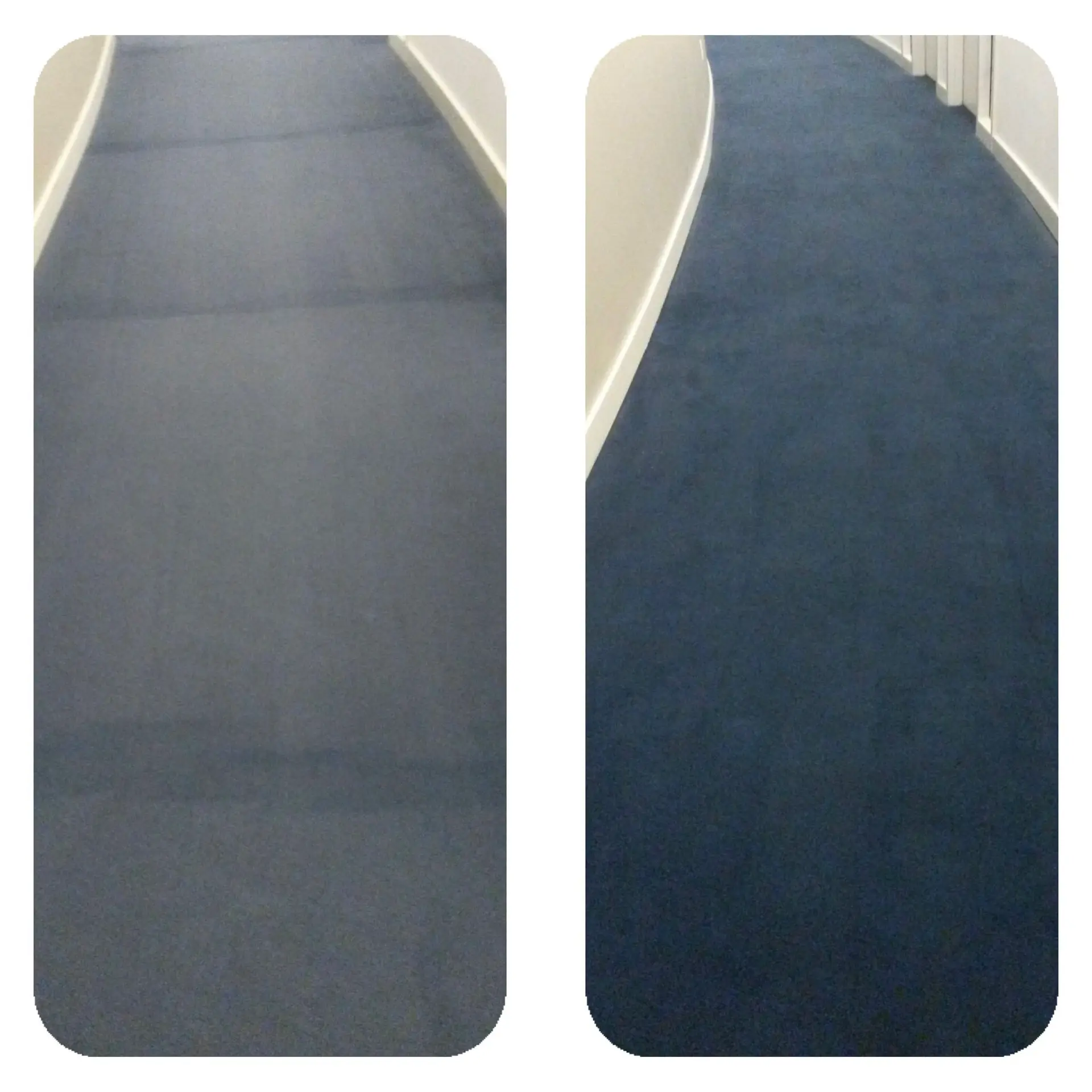
What should you do if bleach has hit your carpet?
Do not add more products in an attempt to chase the mark away.
Bleach damage is not improved by experimenting with household dyes, pens, bathroom cleaners or random stain removers. DIY colour matching can leave a darker mark, a visible edge or additional chemical damage that makes professional correction more difficult.
Instead, take clear photographs of:
- The damaged area close up
- The wider room or corridor
- The carpet in natural light, if possible
- Any surrounding fading or additional marks
Then contact BD365 for an honest initial assessment.
You can also read our guides on the difference between a bleach spot and a regular stain and whether bleach stains on carpet can actually be removed.
Get a free photo assessment from BD365
Your light carpet may look like it escaped. Your dark carpet may look like it needs a dramatic courtroom defence.
Neither necessarily needs replacing.
BD365 Carpet Colour Solutions provides specialist carpet restoration, professional carpet dyeing and bleach spot repair for homeowners, landlords, hotels, businesses and professional cleaners across towns and cities nationwide in the UK.
Send photographs for a free initial assessment via WhatsApp or phone:
- Call: 0800 1931 365
- Email: info@bd365.co.uk
- Website: bd365carpetcoloursolutions.co.uk
- FAQs: Read the BD365 carpet restoration FAQs
We will explain whether professional colour restoration is worth exploring, whether further assessment is needed, or whether replacement is likely to be the better option.
No pressure. No false hope. Just practical advice before you replace a carpet that may still have plenty of life left in it.